Which vape to choose: what the rules settled
The beginner shelf looks much the same from one British shop to the next, and that uniformity is not a failure of imagination on the part of manufacturers. Deciding which vape to choose feels harder than it is because the regulatory framework has already eliminated half the configurations that once existed. Understanding what the rules removed saves a great deal of time, because a large part of the bad choices were taken off the table before you arrived.
The three figures that shaped the British shelf
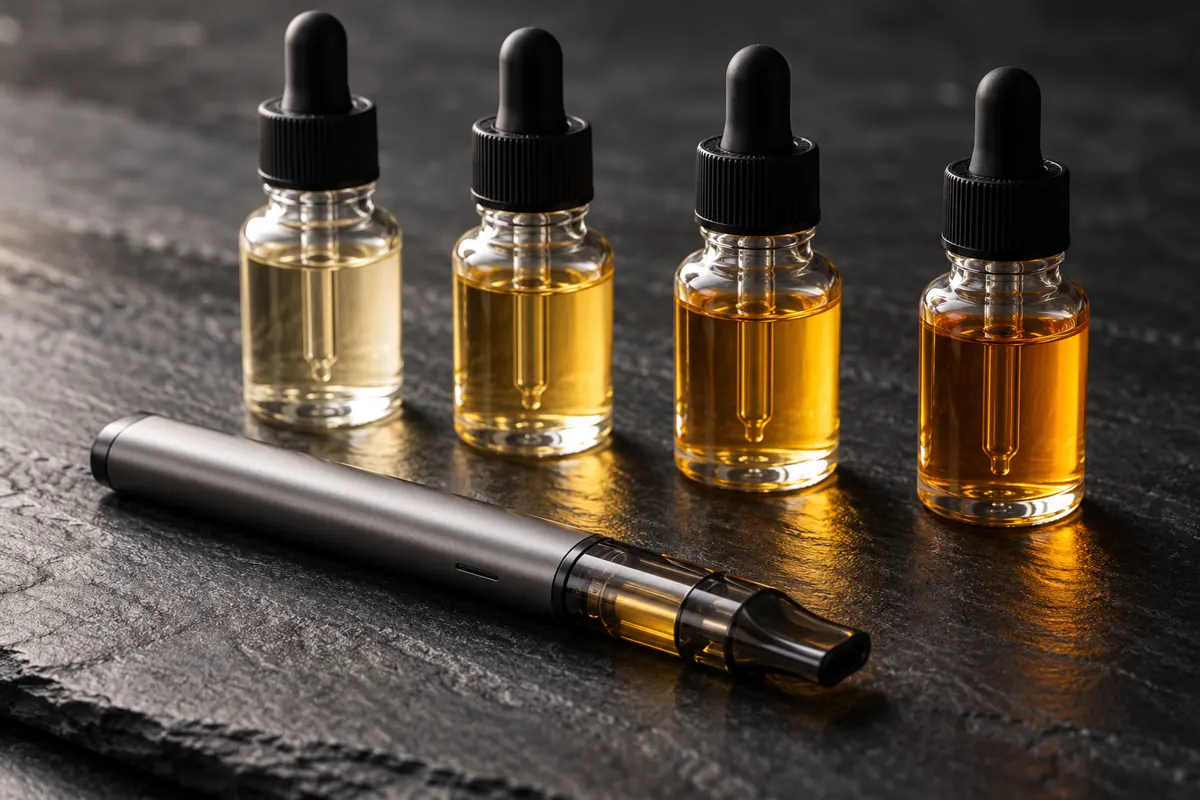
Three caps structure everything sold here. Nicotine containing e-liquid cannot exceed 20 mg per millilitre. A refillable tank or a prefilled pod cannot hold more than 2 ml. A bottle of nicotine containing liquid cannot exceed 10 ml.
Those numbers have a direct consequence on hardware design. Since neither the concentration nor the volume carried per refill can be increased, competition moved elsewhere: to the efficiency of the heating, to battery capacity and to how quickly a device recharges.
A fourth rule closed the loop more recently. The sale of single use disposable vapes has been banned, which removed the entire throwaway bar category from British shops and pushed the entry point back towards refillable and prefilled pod kits.
Behind all of it sits a notification requirement. Products must be notified to the regulator well before they can be sold, with ingredient and emissions data attached, which mechanically reduced the number of manufacturers able to keep up.
Which vape to choose once the shelf has been narrowed
Three families genuinely remain at the beginner end, and they answer different daily habits rather than different price tiers. Recognising them is most of the work.
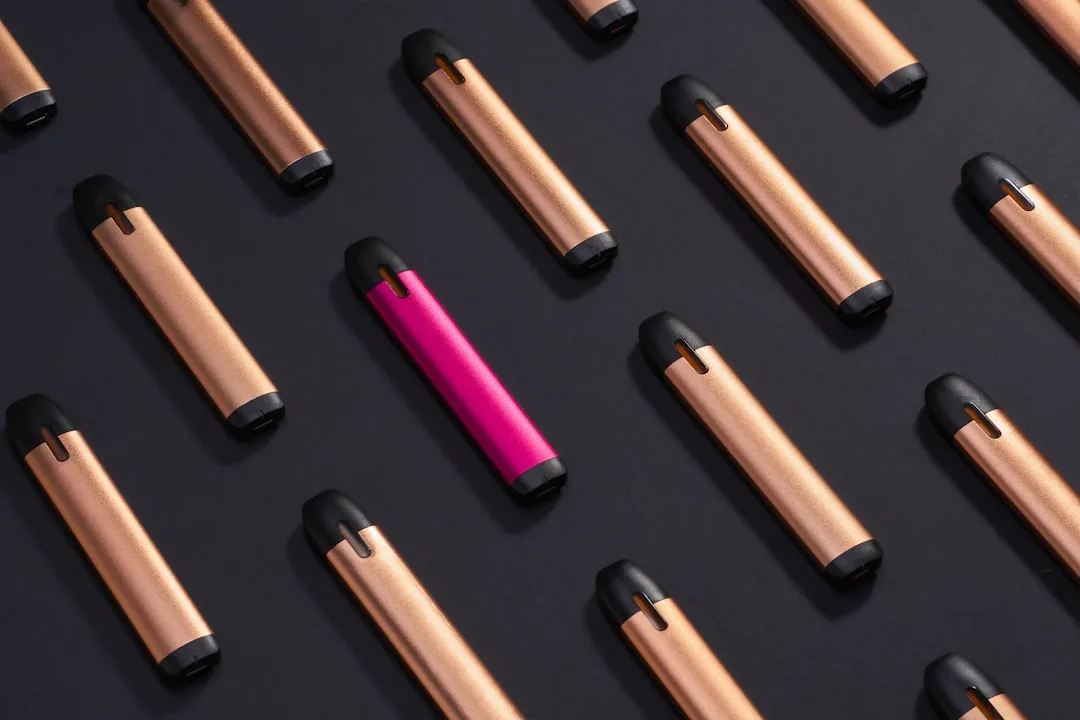
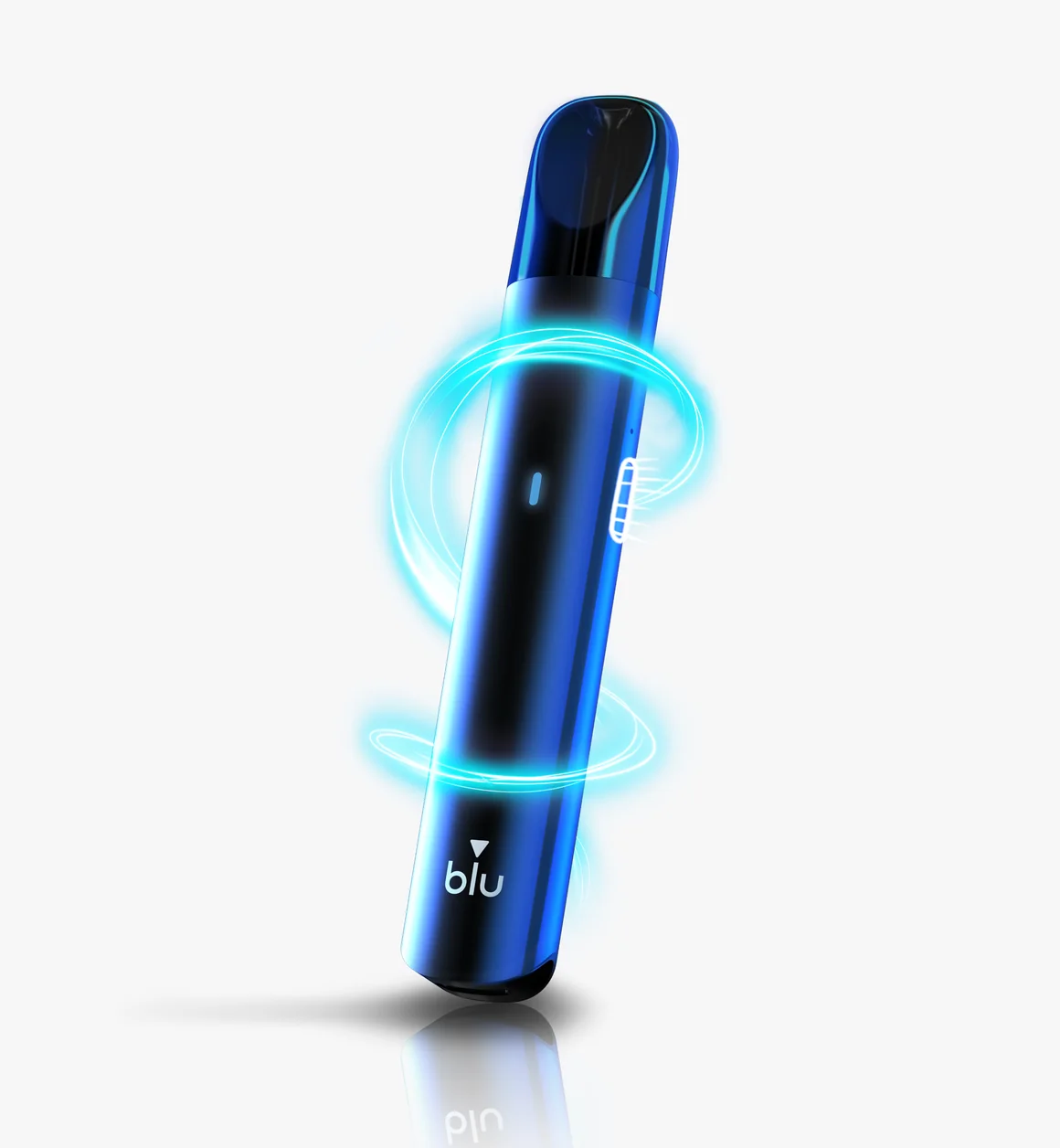
The flat format is thin and light and is held like a pen. It slips into a shirt pocket and disappears, which is its entire argument. The blu 2.0 is one example of the shape, at 8.8 cm and 19.2 g, with a 400 mAh cell and a full charge in 35 minutes over USB-C.
The bar format offers a wider body and a more generous cell, 550 mAh on the blu Bar Kit, which suits anyone who dislikes handling something very slim. The square format goes the other way and prioritises discretion above all, 560 mAh on the blu Box Kit, with a safety lock on board.
None of the three is technically superior. They differ in how they sit in a hand and in a pocket, which is a far more decisive criterion than any specification once the caps above have flattened the rest.
The shared trait that matters more than the shape
Those formats have something in common that outweighs their differences: they fire on inhalation, with no button, and the coil is built into the pod rather than replaced separately.
On the blu range the heating rests on a ceramic element the brand calls PurLava, a porous vaporisation chamber with an H shaped structure paired to a ceramic wick. The design aims at a consistent rendering across the whole pod, with up to 1,300 puffs quoted for a 1.9 ml blu 2.0 pod and up to 1,000 for a 2 ml blu pod. Those figures vary with how the device is actually used.
For a beginner the interest is not technical, it is practical. Nothing to set, nothing to prime, no coil to source separately and no wattage to match to a resistance. The whole class of problems described in our article on the burnt taste on a vape is largely designed out of these devices, at the cost of flexibility.
Which vape to choose when the specifications all match
With capacity, strength and bottle size fixed by law, the numbers printed on two competing boxes end up looking almost identical, and that is where the comparison usually stalls. The differences that remain are real, they are simply not the ones the packaging shouts about.
Charging is the first. A device that takes a full charge quickly over USB-C behaves differently in a day than one that needs a long session on the cable, and the cell capacity alone does not tell you which is which.
Availability of refills is the second, and it is the one that catches people out months later. A device whose pods are stocked in two shops near you is a better purchase than a technically superior one whose refills arrive by post when the supplier remembers.
Handling is the third. A device that is awkward to open, hard to fill or fiddly to lock will be used less, whatever its specification claims. None of that appears on a comparison table, which is why the shelf rewards picking things up over reading boxes.
The two decisions the rules left you
Once the framework is understood, only two questions remain, and neither of them is technical.
The first concerns the refill ecosystem. Prefilled pods are usually proprietary, tied to one manufacturer, though a single pod range often serves several devices in the same family. Choosing a device therefore means choosing a flavour catalogue for months, and checking that the pods for it are stocked where you actually shop matters more than any specification.
The second concerns ergonomics, which is to say how the object fits into your day. It is the most subjective criterion and by some distance the most decisive, and it is the one that separates a device kept for a year from one abandoned in a fortnight.
Refillable pod kits sit slightly outside this three way split and deserve a mention, because they trade the sealed simplicity of a prefilled pod for free choice of liquid. The comparison in our guide to a pod or box mod works through what that freedom costs in handling.
Frequently asked questions
Why do all the beginner devices look so similar?
Because the same three caps apply to all of them. With capacity and concentration fixed by law, manufacturers compete on form factor, battery and heating efficiency, which converges on a narrow range of shapes.
Are disposable vapes still available in the UK?
No. The sale of single use disposables has been banned, so the shelf now consists of prefilled and refillable pod kits and larger hardware. Devices that look similar to the old bars are rechargeable and refillable versions of that shape.
Why does an overseas site list a bigger tank for the same device?
Because other markets allow larger capacities. The same model is sold restricted here to comply with the 2 ml cap. It is not a different or inferior version, it is the same device built to different rules.
Does a pod count as prefilled if I fill it myself?
No. Prefilled pods arrive sealed and are replaced whole once empty. Refillable pods are supplied dry and take a bottle of your choosing. The distinction changes both the flavour range available and the way the device is maintained.
What should I check on the packaging before buying?
The presence of the required warnings and information, the stated capacity and strength, and whether refills for that device are routinely stocked. A product missing those signals is one to leave on the shelf.
What the rules will not decide for you
Regulation removed the extreme configurations, it did not make every product equivalent. Deciding which vape to choose still comes down to judgement on the things no cap can standardise: how the object feels in the hand, whether its refills will still be available in six months, and whether there is anyone to contact when something goes wrong.
Those checks are quick and they are the ones most often skipped. A regulated market is not a uniform one, and it is precisely in what remains free that the difference between a good and a bad first purchase is decided. Our guide to starting out with a vape puts them in the order they are worth making, and answering which vape to choose becomes straightforward once they are done.
Editorial content for adult readers only. Vaping products usually contain nicotine, a substance that causes addiction. Not for sale to under-18s in the United Kingdom. This article is not a buying recommendation.